The table below lists the technical specifications for the four futures contracts our algorithms trade. A few terms to know before you read it: Contract Size is the dollar value of one point of index movement. A $5 multiplier means each 1-point move in the S&P 500 is worth $5 on a Micro contract, versus […]

Get index exposure efficiently Buying meaningful exposure to a stock index outright would require significant capital. Equity index futures use leverage to solve this — a single contract gives you exposure to the entire index while requiring only a fraction of that value in capital. Keep in mind that leverage increases both potential gains and […]

E-mini and Micro E-mini futures are contracts that let traders take a position on the future value of a stock index. Instead of buying hundreds of individual stocks, a single contract gives you exposure to an entire index. E-minis are the standard size; Micro E-minis track the same indices at 1/10 the size, making them […]
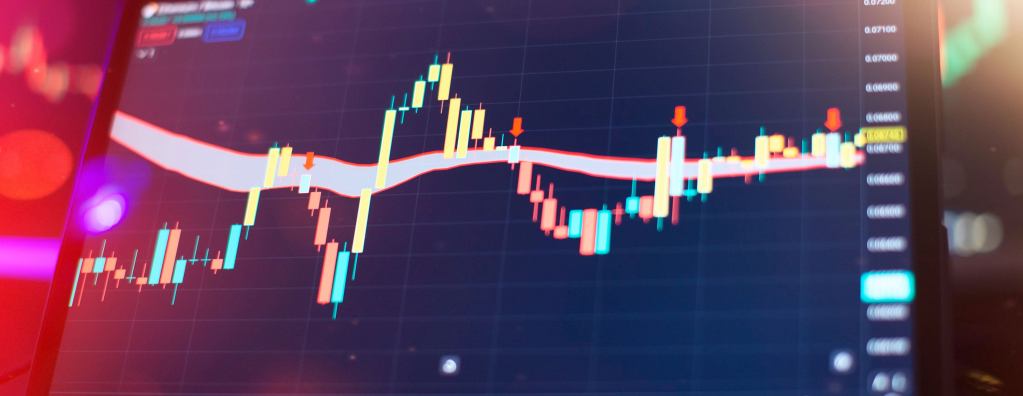
Trading futures takes preparation: learning how the markets work, understanding what drives futures prices, and developing a process for deciding which contracts to buy or sell and when. Experienced futures traders always have a plan before entering a trade. That plan covers how many contracts to trade, how much risk they are willing to take, […]

Futures offer a number of potential advantages over trading stocks or other financial instruments. Diversification — Generally, when the stock market moves, most individual stocks move with it. A portfolio weighted heavily on one side of the market can see wide swings in value when the market moves the other way. Because many futures markets […]
A futures contract is an agreement to buy or sell something at a fixed price on a specific date in the future. Unlike an option, a futures contract is an obligation — both the buyer and the seller are bound to transact at expiration unless they close or roll the position beforehand. The “something” is […]
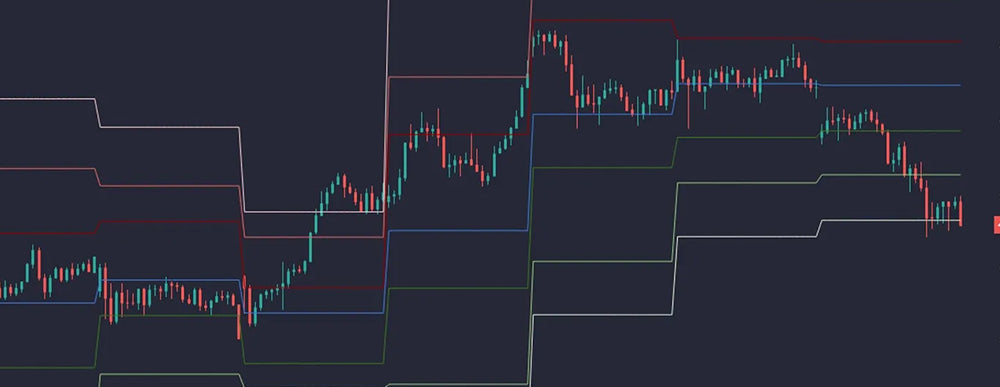
Pivot Points are a widely used technical analysis tool that helps traders identify potential areas of support and resistance in the market based on the average of the high, low, and closing prices …
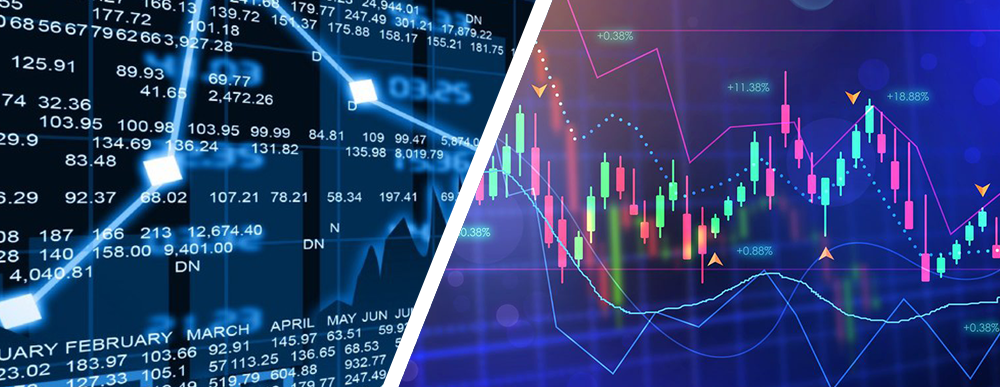
High-frequency trading (HFT) and manual trading represent two distinct approaches to navigating the financial markets. While manual trading relies on human expertise and judgment, HFT employs sophi…

The invention of algorithmic stock market trading, also known as algorithmic trading or algo trading, is a collaborative achievement rather than the work of a single individual. Algorithmic tradin…
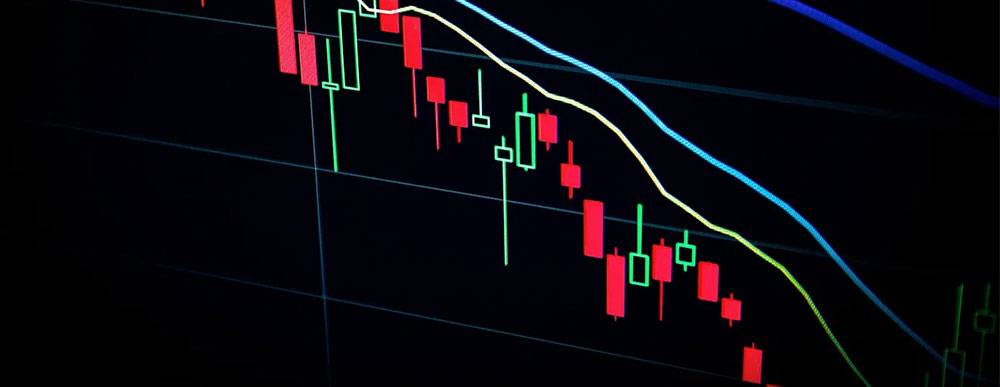
The stock market is a dynamic and ever-changing entity influenced by a multitude of factors, including economic indicators, geopolitical events, and market sentiment. One intriguing phenomenon that…